Guidelines for Transporting Explosion-Proof Submersible Pumps Safely
Industry Background and Market Demand
Explosion-proof submersible pumps are critical in hazardous environments where flammable gases, vapors, or dust may be present. Industries such as oil and gas, chemical processing, mining, and wastewater treatment rely on these pumps to operate safely in potentially explosive atmospheres. The global market for explosion-proof equipment is expanding due to stricter safety regulations and increased industrial automation.
Transporting these pumps requires specialized handling to prevent damage that could compromise their explosion-proof integrity. Given their high cost and operational importance, improper transportation can lead to equipment failure, safety risks, and regulatory non-compliance.
Core Concepts and Key Technologies
Explosion-Proof Certification
Explosion-proof submersible pumps are designed to contain internal explosions without igniting the surrounding atmosphere. They comply with international standards such as ATEX (EU), IECEx (global), and NEC/CEC (North America). These certifications ensure the pump’s enclosure can withstand and isolate sparks or heat generated during operation.
Submersible Design Considerations
Unlike standard pumps, explosion-proof submersible pumps feature:
- Sealed enclosures to prevent ingress of hazardous substances.
- Corrosion-resistant materials (e.g., stainless steel, cast iron with epoxy coating).
- Enhanced mechanical strength to withstand submersion and external impacts.
Product Structure, Materials, and Manufacturing
Key Components
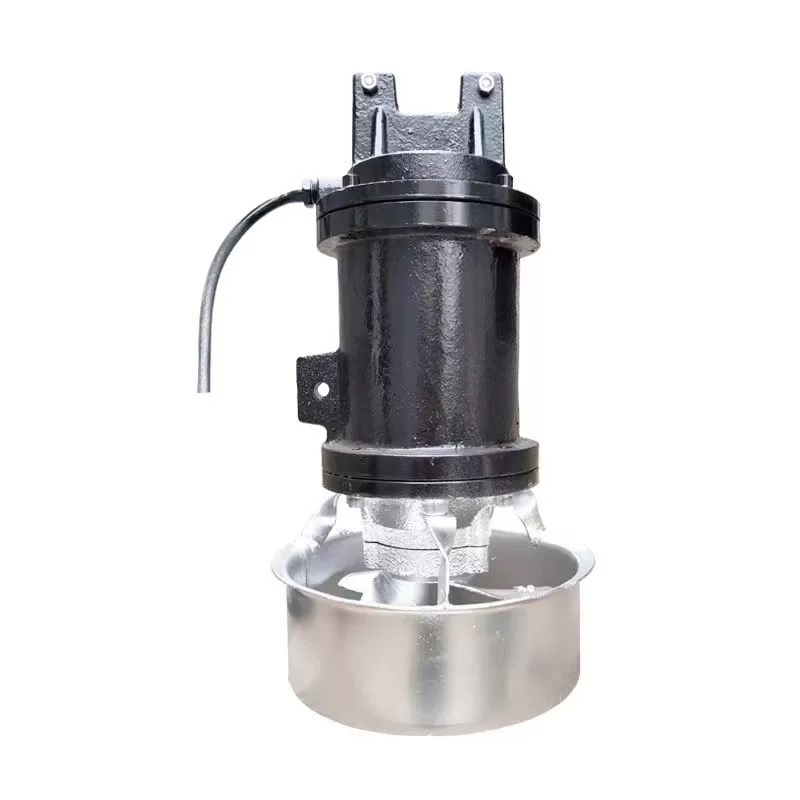
1. Motor Housing – Constructed from robust materials like ductile iron or stainless steel, designed to contain explosions.
2. Cable Gland – Explosion-proof sealed entry points for power supply cables.
3. Impeller and Shaft – Engineered for high efficiency and resistance to abrasive fluids.
4. Cooling System – Ensures the motor does not overheat, critical in submerged applications.
Manufacturing Standards
Pumps must undergo rigorous testing, including:
- Pressure and leakage tests to verify explosion containment.
- Vibration and impact resistance tests for transportation durability.
- Corrosion testing to ensure long-term performance in harsh environments.
Critical Factors Affecting Quality and Performance
1. Handling During Transit – Rough handling can damage seals or enclosures, compromising explosion-proof integrity.
2. Packaging – Shock-absorbent materials and rigid crates are essential to prevent movement.
3. Environmental Exposure – Prolonged exposure to moisture or extreme temperatures can degrade materials before installation.
4. Regulatory Compliance – Non-compliant transport methods may void certifications.
Supplier and Supply Chain Considerations
When selecting a supplier for explosion-proof submersible pumps, evaluate:
- Certifications (ATEX, IECEx, UL).
- Manufacturing track record in hazardous environments.
- Logistics expertise in handling and transporting explosion-proof equipment.
- After-sales support, including emergency replacement services.
Common Challenges and Industry Pain Points
1. High Transportation Costs – Specialized packaging and handling increase logistics expenses.
2. Regulatory Complexity – Cross-border shipping requires adherence to multiple safety standards.
3. Risk of Damage – Improper securing during transit can lead to costly repairs or replacements.
4. Lead Time Delays – Custom-built pumps may face extended production and shipping times.
Best Practices for Safe Transportation
1. Use Certified Packaging – Ensure crates meet ISTA 3A or similar standards for shock resistance.
2. Secure Load Properly – Use straps and braces to prevent shifting during transit.
3. Climate-Controlled Shipping – Protect against condensation or extreme temperatures.
4. Document Handling Instructions – Clearly label fragile components and provide handling guidelines.
Application Scenarios and Case Studies
Oil and Gas Industry
A Middle Eastern oil refinery required explosion-proof submersible pumps for wastewater treatment in Zone 1 hazardous areas. The pumps were transported in reinforced crates with desiccants to prevent moisture damage. Post-installation inspections confirmed no transit-induced defects.
Mining Operations
A Canadian mining company faced pump failures due to vibration damage during rail transport. Switching to anti-vibration packaging reduced equipment downtime by 30%.
Current Trends and Future Developments
1. Smart Monitoring – IoT-enabled pumps with real-time condition tracking during transit.
2. Lightweight Materials – Advanced composites reducing shipping costs without compromising durability.
3. Automated Logistics – AI-driven routing to minimize transit time and environmental exposure.
FAQ
Q: Can explosion-proof pumps be transported via air freight?
A: Yes, but strict IATA hazardous material regulations apply. Consult the manufacturer for compliance.
Q: What is the biggest risk during transportation?
A: Impact damage to explosion-proof seals, which can lead to certification invalidation.
Q: How should pumps be stored before installation?
A: In a dry, temperature-controlled environment, preferably in original packaging.
By adhering to these guidelines, businesses can ensure the safe and compliant transport of explosion-proof submersible pumps, minimizing risks and maximizing operational reliability.

 Pусский
 العربية
 中文
中文







 Phone
Phone
Comment
(0)