Common Troubleshooting Techniques for liquefied gas pumps
Industry Background and Market Demand
Liquefied gas pumps are critical components in industries such as petrochemicals, LNG (liquefied natural gas) processing, refrigeration, and aerospace. These pumps handle cryogenic and volatile fluids, requiring precision engineering to ensure safety, efficiency, and longevity. The global demand for liquefied gas pumps is rising due to increasing LNG trade, stricter environmental regulations, and the expansion of industrial gas applications.
As industries transition toward cleaner energy, the need for reliable liquefied gas handling systems has intensified. Failures in these pumps can lead to costly downtime, safety hazards, and environmental risks. Therefore, understanding common troubleshooting techniques is essential for maintenance engineers and plant operators.
Key Concepts and Technologies
Liquefied gas pumps operate under extreme conditions, dealing with cryogenic temperatures (as low as -162°C for LNG) and high-pressure differentials. Key technologies include:
- Cryogenic Sealing Systems: Prevent gas leakage and maintain thermal insulation.
- Submerged vs. External Motor Designs: Submerged pumps minimize heat ingress, while external motor pumps simplify maintenance.
- Thermal Contraction Management: Materials must withstand extreme cold without cracking.
Pump Structure, Materials, and Manufacturing
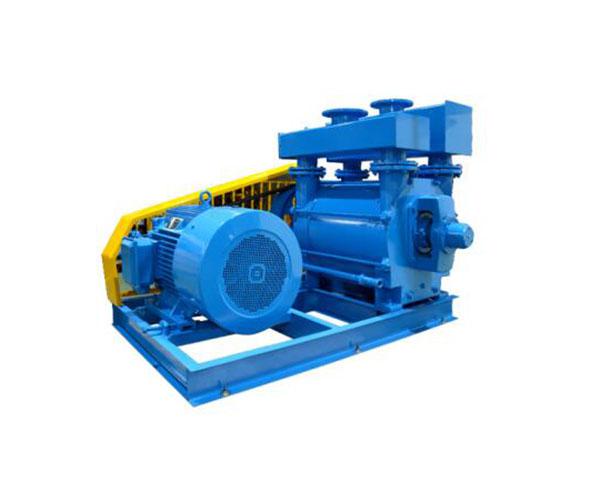
A typical liquefied gas pump consists of:
- Impeller and Casing: Stainless steel or aluminum alloys for corrosion resistance.
- Shaft and Bearings: Ceramic or specialized alloys to reduce friction at low temperatures.
- Seals: Dual mechanical seals with inert gas barriers to prevent leakage.
Manufacturing processes include precision machining, cryogenic testing, and helium leak detection to ensure airtight performance.
Critical Factors Affecting Performance
Several factors influence pump reliability:
1. Material Selection: Improper alloys can become brittle at cryogenic temperatures.
2. Thermal Insulation: Inadequate insulation leads to vaporization and cavitation.
3. Lubrication: Standard lubricants freeze; specialized cryogenic lubricants are required.
4. Alignment and Vibration: Misalignment accelerates wear, especially in high-speed pumps.
Supplier and Supply Chain Considerations
Selecting a reliable supplier involves evaluating:
- Certifications: Compliance with API 610, ASME B31.3, or ISO 16904 for LNG pumps.
- Testing Capabilities: Suppliers should provide cryogenic performance data.
- Lead Times and After-Sales Support: Quick access to spare parts reduces downtime.
Common Issues and Industry Pain Points
1. Cavitation – Caused by insufficient NPSH (Net Positive Suction Head), leading to impeller damage.
2. Seal Failures – Due to thermal cycling or improper installation.
3. Bearing Wear – Often from misalignment or inadequate lubrication.
4. Cold Shocks – Rapid temperature changes can crack components.
Application Scenarios and Case Studies
- LNG Terminals: Centrifugal pumps transfer LNG from storage tanks to carriers. Seal failures here can cause hazardous leaks.
- Industrial Gas Plants: Reciprocating pumps handle liquid nitrogen and oxygen; cavitation is a frequent issue.
- Aerospace: Cryogenic pumps for rocket fuel require ultra-high reliability.
Current Trends and Future Developments
1. Smart Monitoring: IoT-enabled sensors predict failures via vibration and temperature analysis.
2. Advanced Materials: Graphene coatings and composite alloys improve durability.
3. Modular Designs: Easier maintenance and scalability for diverse applications.
FAQ: Common Troubleshooting Questions
Q: How can cavitation in liquefied gas pumps be prevented?
A: Ensure proper NPSH by maintaining adequate suction pressure and avoiding sharp bends in piping.
Q: What causes seal failures in cryogenic pumps?
A: Thermal cycling, improper installation, or dry running. Use dual seals with gas purging.
Q: How often should bearings be inspected?
A: Vibration analysis every 3–6 months, with lubrication checks during routine maintenance.
Conclusion
Effective troubleshooting of liquefied gas pumps requires a deep understanding of cryogenic mechanics, material science, and operational best practices. As demand grows, advancements in predictive maintenance and material innovation will further enhance reliability. Engineers must prioritize proactive maintenance to minimize risks and optimize performance in critical applications.

 Pусский
 العربية
 中文
中文







 Phone
Phone
Comment
(0)